

Top
Author
Published
7 Oct 2026Form Number
LP2513PDF size
10 pages, 1.4 MBSubscribed to LP2513.
Thank you for your feedback.
Executive Summary
Modern organizations depend on continuous access to data. Even a short storage disruption can affect applications, users, operations, and customer confidence. SnapMirror Active Sync with Lenovo ThinkSystem Storage helps address this challenge by delivering an always-on storage architecture designed for business continuity.
Traditional recovery models often focus on how quickly an environment can come back online after a failure. SnapMirror Active Sync shifts that conversation from recovery to continuity. Instead of waiting for an outage and then restoring service, the solution keeps data synchronized across two independent storage systems so workloads can continue operating when one system becomes unavailable.
This validation highlights how Lenovo ThinkSystem DM and DG Series storage, powered by ONTAP, can provide a resilient foundation for mission-critical SAN workloads. With synchronous replication, active access to protected data, and coordinated failover behavior, the platform is designed to help organizations protect application availability without adding operational complexity.
In the tested scenario, a storage system was powered off while a workload was actively running. The environment continued operating through the surviving system, demonstrating how SnapMirror Active Sync can help maintain access to data during an unexpected storage event.
Scope
This validation addresses a critical customer concern: whether applications can remain available if the primary storage system goes offline.
The environment was designed to represent a resilient, business-continuity architecture with the following components:
- Two Lenovo ThinkSystem DM storage systems deployed across separate locations
- VMware ESXi host connected through a Fibre Channel SAN
- Redundant switching infrastructure supporting both SAN and inter-site communication
- ONTAP Mediator to coordinate ownership decisions
To demonstrate storage resilience, the following tests were performed:
- The primary storage system is powered off while actively servicing I/O
- The ESXi host remains online and continues processing workloads
- The SAN fabric and inter-site connectivity remain operational
By isolating the storage failure, the validation clearly shows how SnapMirror Active Sync responds when a critical storage component is lost while the rest of the infrastructure remains available.
The objective was to demonstrate three customer-relevant outcomes:
- Continuous storage access during a failure event
- Automatic I/O redirection without manual intervention
- Application availability through the storage disruption
Architecture and Configuration
The architecture brings together two Lenovo ThinkSystem storage systems to deliver a single, resilient data services layer for the host environment.
The diagram below provides a conceptual view of the design and solution flow.
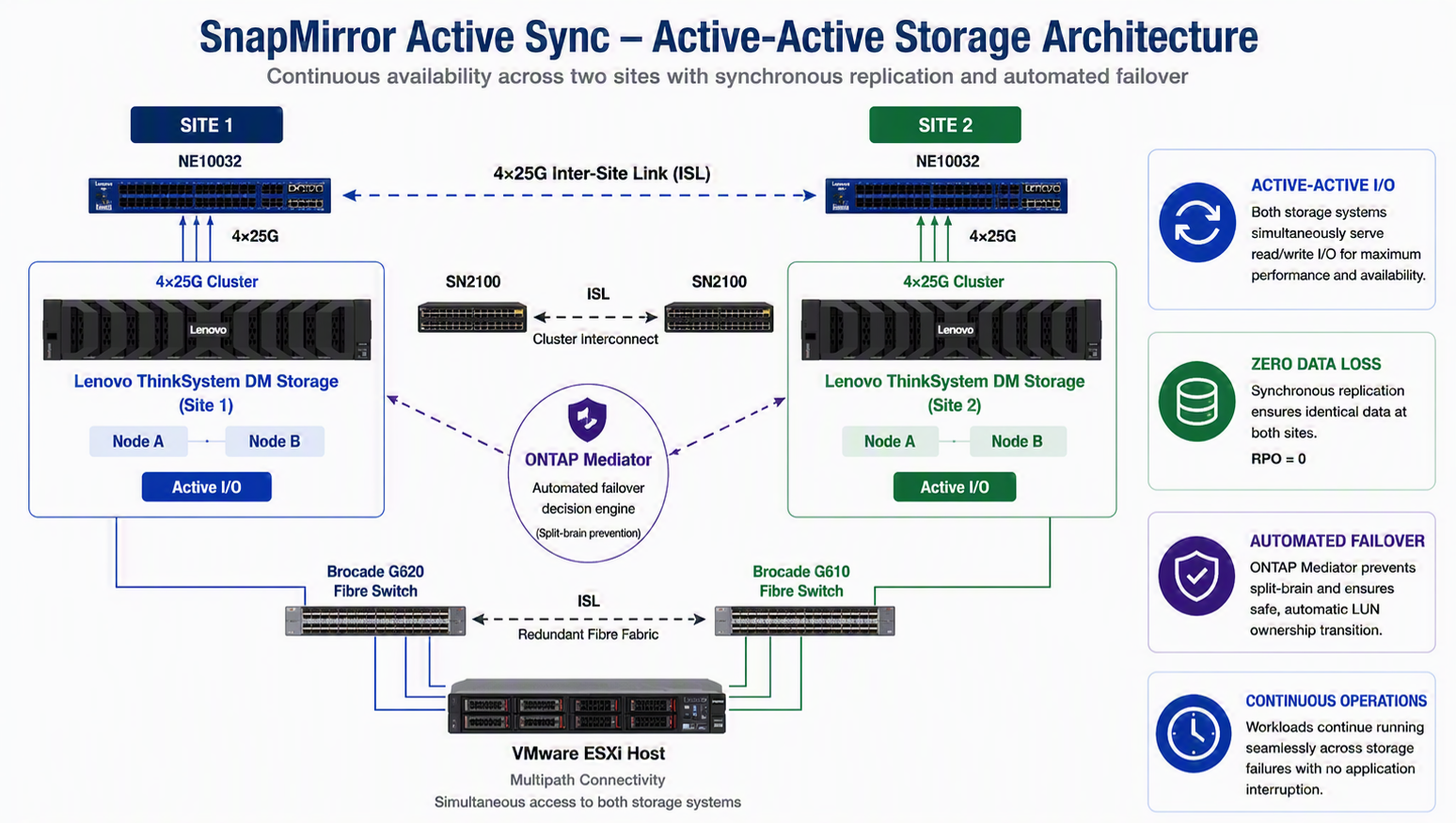
Figure 1. Architecture and Configuration flow.
Each site includes a Lenovo ThinkSystem DM storage array with local high availability through redundant nodes. Across sites, the arrays work together to keep protected data available and synchronized, helping ensure that a storage event at one location does not become an application outage.
A low-latency inter-site connection supports synchronous replication, so write operations are committed across both systems before being acknowledged. This keeps both locations aligned and ready to serve data when availability matters most.
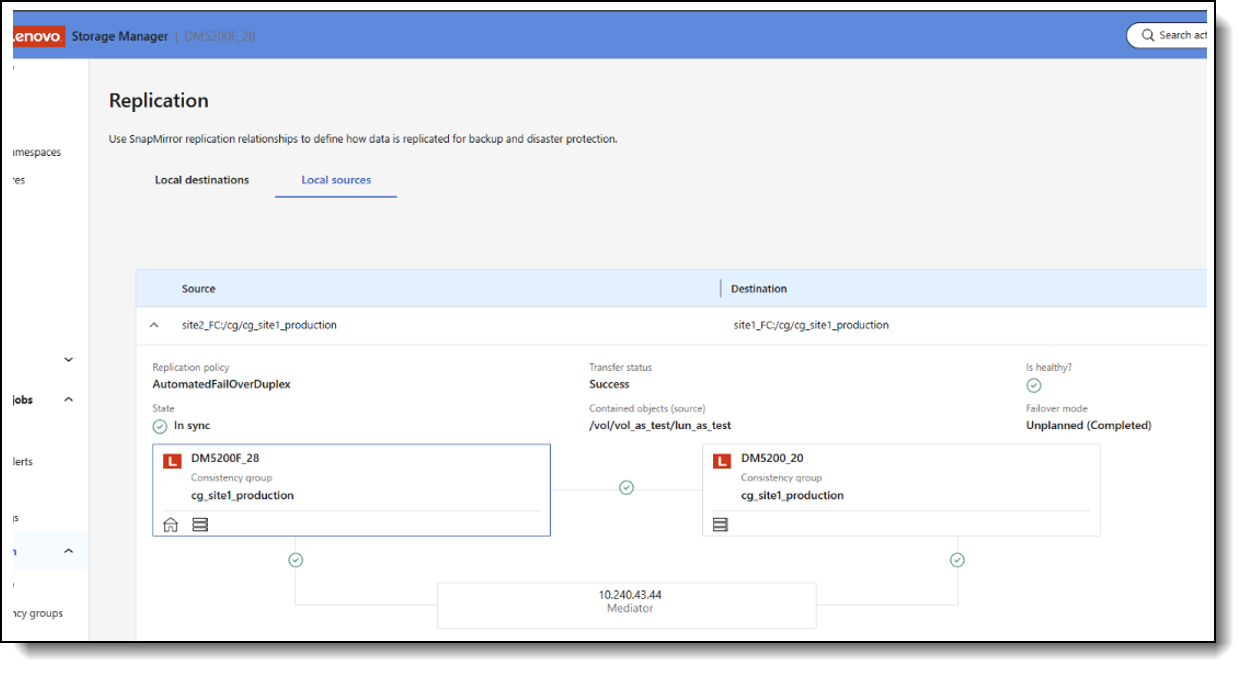
Figure 2. Data Replication Between Storage.
From the host perspective, storage remains consistently visible through the Fibre Channel SAN. Multiple paths are available to both storage systems, giving the host a ready path forward if one side becomes unavailable.
ONTAP Mediator adds the coordination layer required for safe, predictable ownership decisions. It helps prevent conflicting states and supports automated behavior during failure scenarios, which is essential for maintaining confidence in a business-continuity design.
Core Design Principles
Active-Active Storage Access
Both storage systems are active participants in the protected environment. This avoids the limitations of a passive standby model and helps reduce the time and complexity typically associated with failover.
Synchronous Data Replication
Every write is mirrored across both systems before completion is acknowledged, helping ensure that committed data remains consistent and available across locations.
Multipath Host Connectivity
The ESXi host maintains multiple SAN paths to the protected storage. These paths are continuously monitored, allowing the host to redirect I/O through available paths when a disruption occurs.
Automated Ownership Coordination
ONTAP Mediator helps ensure that failover behavior is coordinated, controlled, and safe. This gives organizations a stronger foundation for predictable continuity during storage-level events.
Operational Flow
In the following sections, we take a deeper dive into the Operational Flow:
Normal Operation
During normal operation, the environment behaves like a single resilient storage platform from the host’s point of view.
The ESXi host sends I/O to the datastore while SnapMirror Active Sync keeps the protected data synchronized across both storage systems. Writes are committed to both locations, and read activity is served through the available optimized paths.
This active design means the second system is not waiting idle for a failure. It is already part of the data path and ready to support continuity when conditions change.
For customers, the benefit is straightforward: protected data remains current, accessible, and positioned to support uninterrupted operations.
Failure Scenario
To test the architecture under a realistic disruption, the primary storage system was powered off while a virtual machine was actively generating I/O.
This was an abrupt storage outage, not a planned switchover. That distinction is important because it demonstrates how the solution behaves when a failure occurs without warning.
When the system was powered off, the environment immediately detected the change:
- Connectivity to the storage system was immediately lost
- The Fibre Channel fabric detected the path failure
- The ESXi host began reporting those paths as unavailable
At this point, the value of the architecture becomes clear. The environment must preserve access to data quickly enough that the workload can continue operating.
Failure Behavior
The response was automatic and coordinated across the storage, mediator, and host layers.
SnapMirror Active Sync transitioned access to the surviving storage system so the protected data remained available. The ONTAP Mediator validated the transition and helped ensure that ownership remained consistent and controlled.
This coordination is what allows the environment to move through a failure event without requiring administrators to initiate manual recovery steps.
On the host side, ESXi responded through standard multipathing behavior. It briefly paused while evaluating available paths, then retried I/O through the alternate paths that were already in place.
Because the host did not need to discover new storage or remount the datastore, the transition remained fast and operationally simple.
Within seconds, I/O resumed through the surviving storage system, keeping the workload online through the event.
Results
The workload stayed online while the storage layer absorbed the failure.
- The virtual machine remained powered on throughout the event
- The datastore remained mounted and fully accessible
- I/O operations continued after a short transition period
- No application crash or restart occurred
- No manual intervention was required
From an infrastructure perspective, the environment behaved predictably:
- Paths to the primary storage were marked unavailable
- Paths to the secondary storage became active
- All I/O was successfully serviced by the remaining system
From an application perspective, the experience remained stable:
- There was no observable disruption
- The workload continued normally
Performance Observations
A short I/O pause occurred during the transition, which is expected when host multipathing detects a path change and redirects traffic.
What matters is how the environment handled that moment:
- I/O operations were retried automatically
- No data loss occurred
- All operations completed successfully
After the transition, the workload quickly returned to normal behavior:
- I/O stabilized quickly
- Performance returned to normal operating levels
This demonstrates that the solution can handle storage failure conditions without creating extended instability or requiring operational intervention.
Business Value
For customers, the technical result translates into a clear business outcome: stronger continuity for critical applications with less operational burden.
Continuous Application Availability
Applications can remain online during a storage system failure, helping protect users, business processes, and service delivery from avoidable disruption.
Data Integrity and Protection
Synchronous replication helps ensure that committed data is protected across both systems, reducing exposure during unexpected infrastructure events.
Reduced Operational Complexity
Automated failover behavior reduces the need for manual recovery procedures, helping IT teams respond with greater confidence and consistency.
Confidence in Infrastructure Resilience
Organizations can build around a storage platform designed to keep services running, even when a key storage component becomes unavailable.
Conclusion
This proof of concept demonstrates how SnapMirror Active Sync with Lenovo ThinkSystem Storage can help organizations move beyond traditional recovery thinking and toward continuous business operations.
When a storage system was removed from service during an active workload, the environment automatically maintained access through the surviving system. The virtual machine remained online, the datastore stayed accessible, and no manual failover action was required.
For IT leaders, this represents a practical path to stronger application resilience. For operations teams, it simplifies response during high-pressure events. For the business, it helps protect productivity, service continuity, and customer trust.
With SnapMirror Active Sync and Lenovo ThinkSystem Storage, availability is not just about recovering faster. It is about keeping critical workloads running when infrastructure challenges occur.
Related publications and links
For more information, see these resources:
- Lenovo ThinkSystem DM3200F, DM5200F and DM7200F Unified Storage Arrays:
https://lenovopress.lenovo.com/lp2075-lenovo-thinksystem-dm3200f-dm5200f-and-dm7200f-unified-storage-arrays - Lenovo ThinkSystem DG5200 and DG7200 Unified Storage Arrays:
https://lenovopress.lenovo.com/lp2074-lenovo-thinksystem-dg5200-and-dg7200-unified-storage-arrays
Authors
Sufian Ahmad is a Product Manager for Storage Enablement at Lenovo, focused on enterprise storage solutions, data protection, AI infrastructure, and technical enablement. He works closely with engineering, product management, and field teams to develop solution demonstrations, technical content, and proof-of-concept initiatives that help customers realize the value of Lenovo's storage portfolio.
Trademarks
Lenovo and the Lenovo logo are trademarks or registered trademarks of Lenovo in the United States, other countries, or both. A current list of Lenovo trademarks is available on the Web at https://www.lenovo.com/us/en/legal/copytrade/.
The following terms are trademarks of Lenovo in the United States, other countries, or both:
Lenovo®
ThinkSystem®
Other company, product, or service names may be trademarks or service marks of others.
Configure and Buy
Please select a locale
Full Change History
Course Detail
Employees Only Content
The content in this document with a is only visible to employees who are logged in. Logon using your Lenovo ITcode and password via Lenovo single-signon (SSO).
The author of the document has determined that this content is classified as Lenovo Internal and should not be normally be made available to people who are not employees or contractors. This includes partners, customers, and competitors. The reasons may vary and you should reach out to the authors of the document for clarification, if needed. Be cautious about sharing this content with others as it may contain sensitive information.
Any visitor to the Lenovo Press web site who is not logged on will not be able to see this employee-only content. This content is excluded from search engine indexes and will not appear in any search results.
For all users, including logged-in employees, this employee-only content does not appear in the PDF version of this document.
This functionality is cookie based. The web site will normally remember your login state between browser sessions, however, if you clear cookies at the end of a session or work in an Incognito/Private browser window, then you will need to log in each time.
If you have any questions about this feature of the Lenovo Press web, please email David Watts at dwatts@lenovo.com.


